
There are some times when you think, “Hey, that would be a neat thing to do,” but more often than not, the idea does not bear enough weight to act upon immediately, especially if it is relatively close by. When you finally do sally forth, you deride yourself for waiting so long. A Choose Blues trip is one of those tend-to-be-neglected gems.
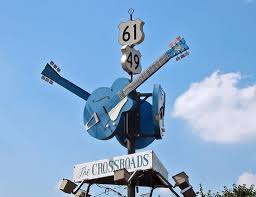 Clarksdale, with a population of about 17,000, about an hour and a half southwest of Memphis, is the beating heart of Mississippi Blues, past and present, and many say, the birthplace of the Blues. The Crossroads Sign at the intersection of US 61 and US 49 is the Blues meridian. Delta Blues starts here. At the foot of his sign, legend declares, Robert Johnson, cornerstone Blues artist, sold his soul to the devil in exchange for his musical talent. Who is to say, for Johnson, born in Hazlehurst, Mississippi, died in Greenwood in 1938 at the age of twenty seven.
We chose to stay at the Oxbow Guest House on Yazoo Avenue (which we learned about through Airbnb) because it is within sight of the Delta Blues Museum and Ground Zero Blues Club, once co-owned by actor, Morgan Freeman. These are located right downtown.
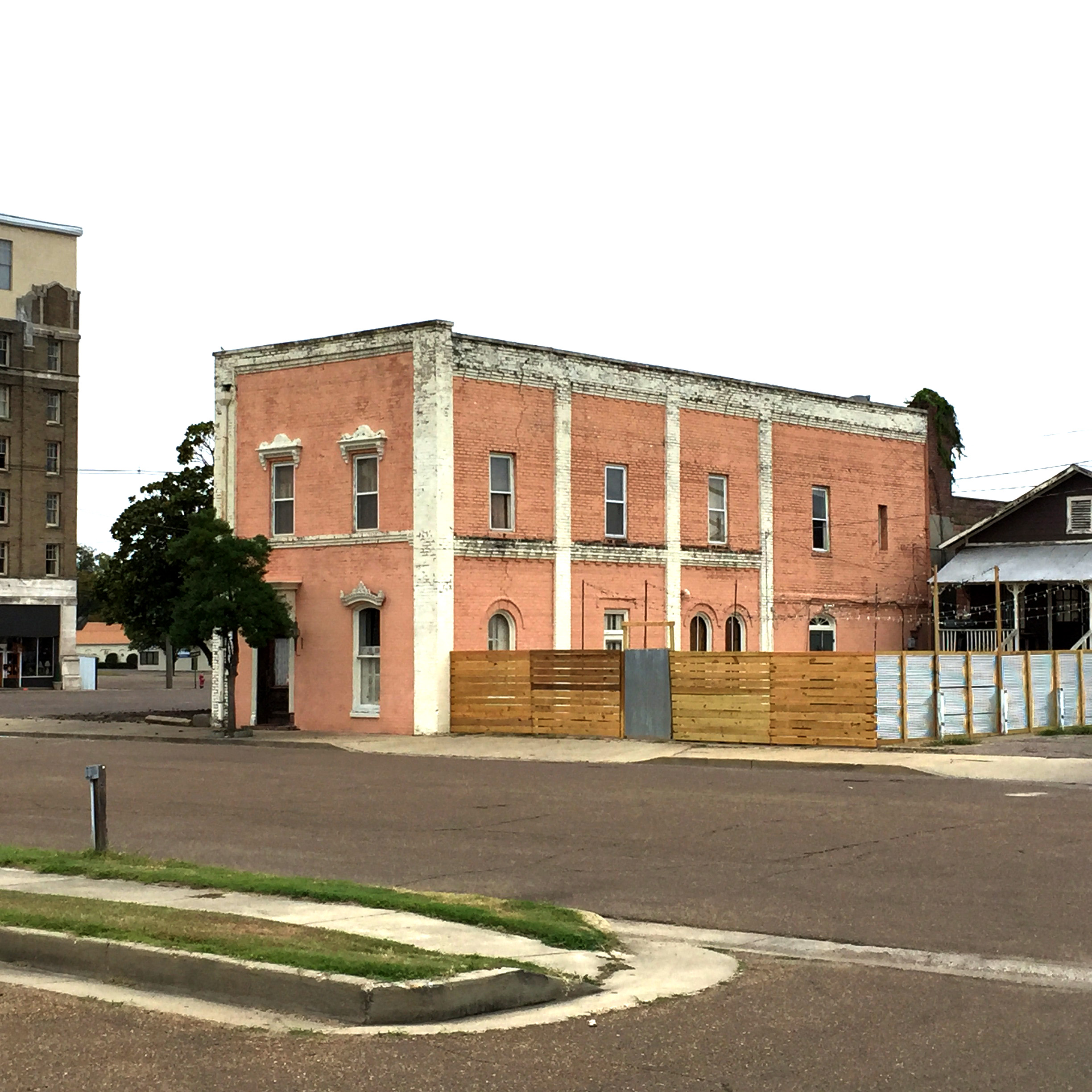
Oxbow Guest House
As you can see, the Oxbow Guest House looks more like an isolated survivor whose neighbors have long since died and disappeared, which is true. Like many American towns and cities, Clarksdale’s former busy business district is now a sometimes depressing mixture of vacant lots, empty stores whose inhabitants gave up long ago, and a new growth of hardy establishments refusing to let the district die. At dusk it is quieter than the deep woods, at night a tomb generates more sound.
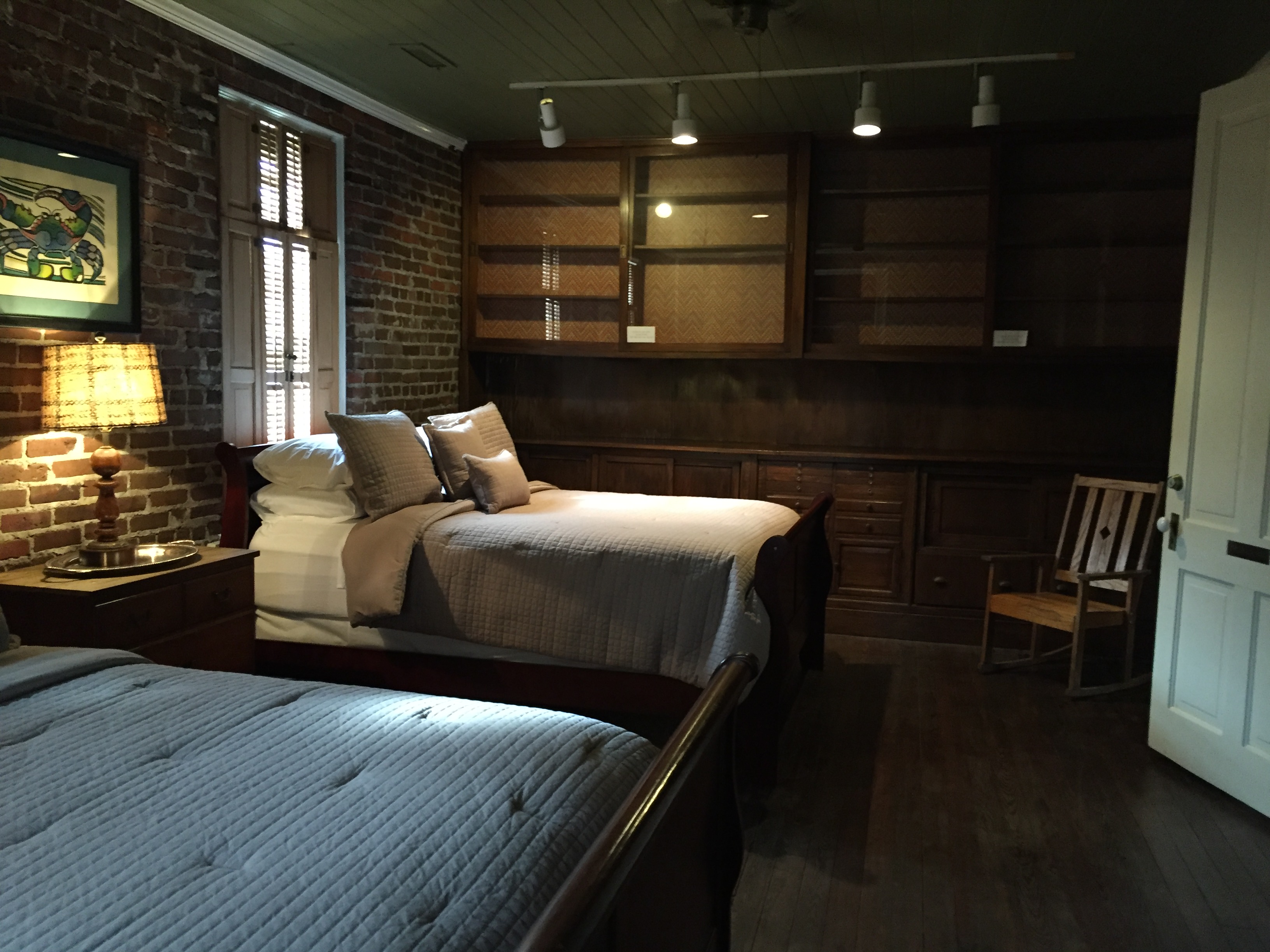
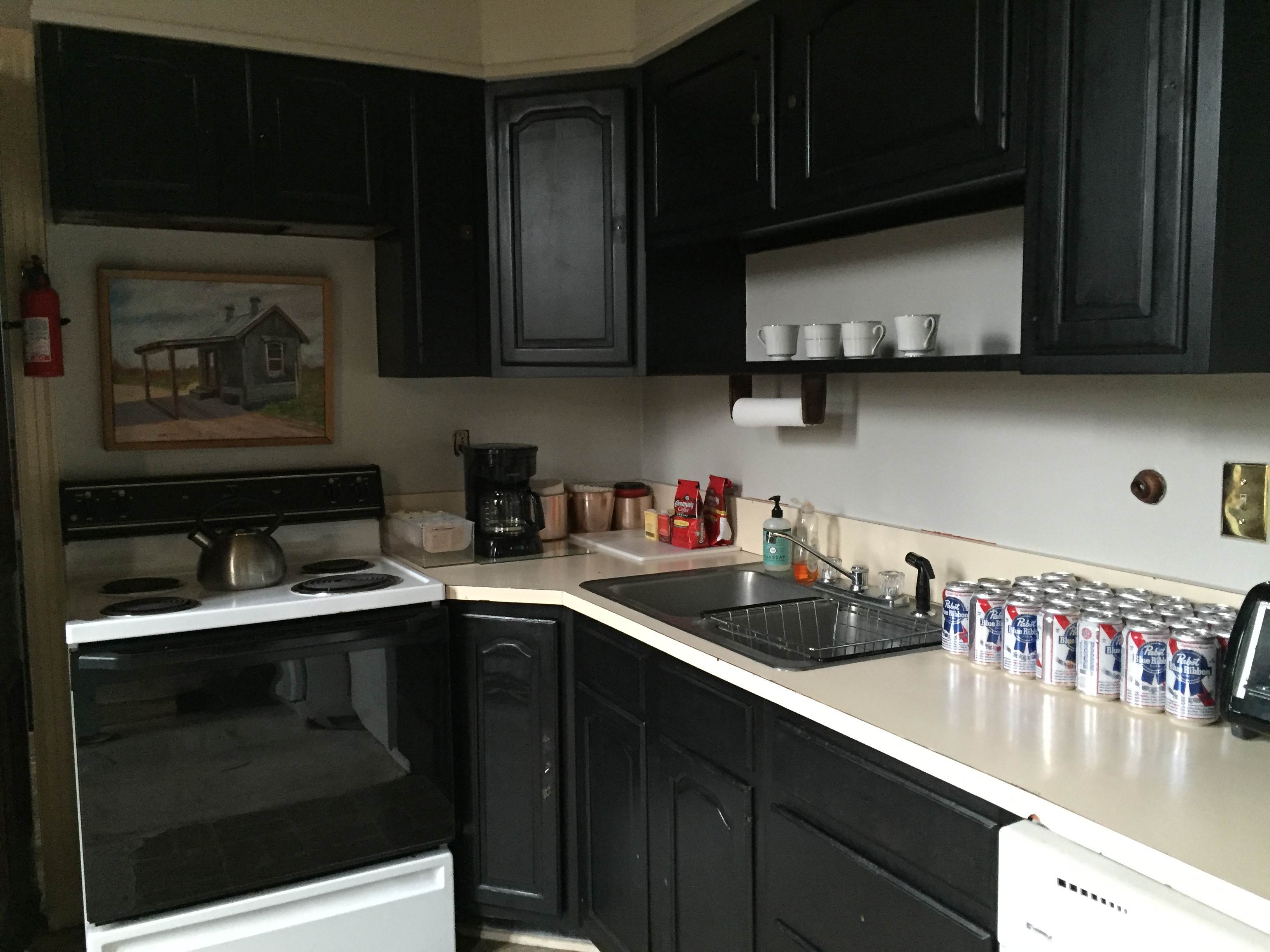
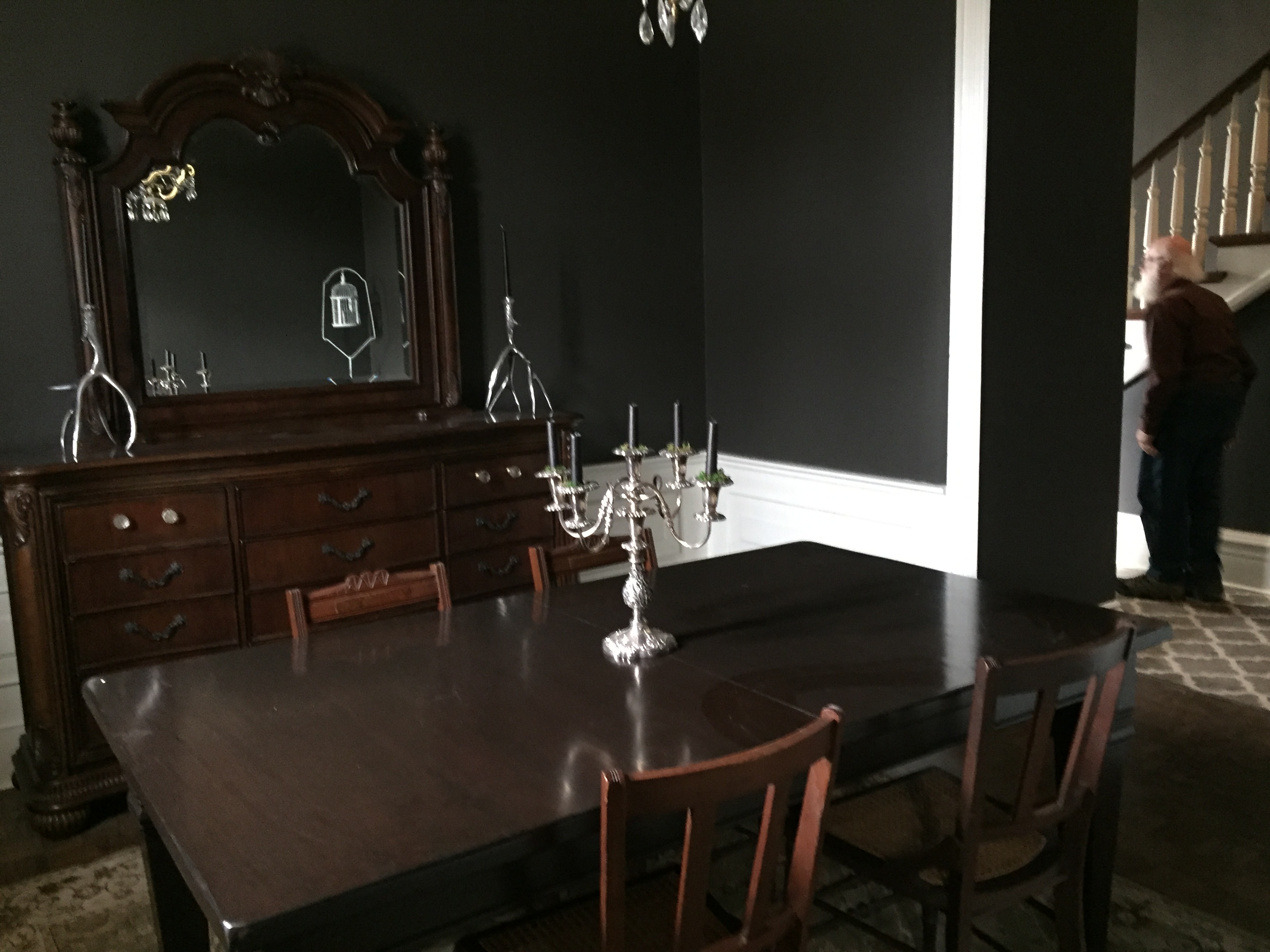
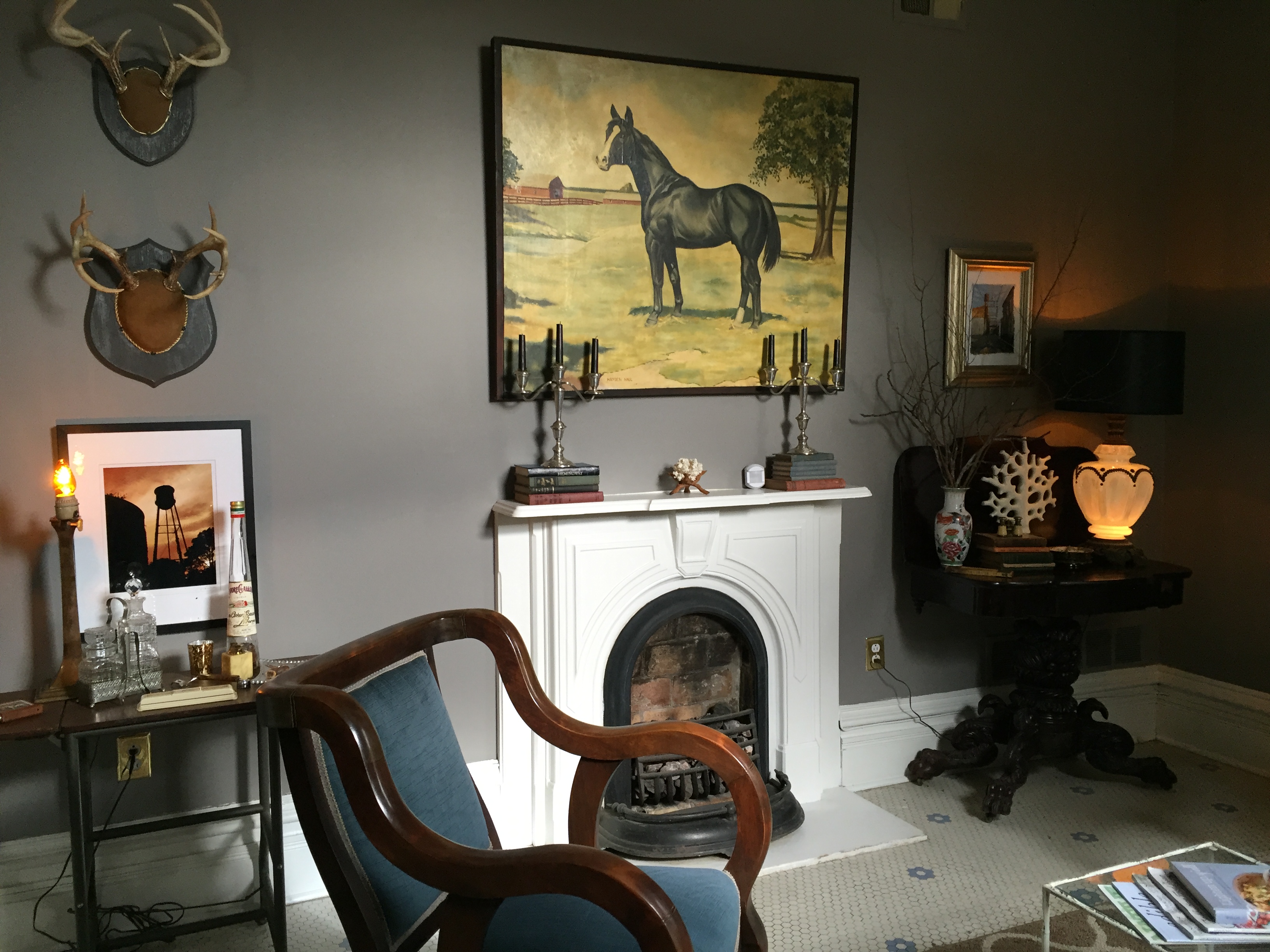
The Oxbow was an ice cream parlor a hundred years ago and has the appearance of an old hotel or rooming house. The front half of the building was renovated by the present owners, who are in the process of restoring more. Stepping into the front hallway we are instantly transported to a time of stately and genteel elegance that our grandparents would have known if they had been prosperous merchants and lived in town rather than in a dog trot farmhouse miles from nowhere. A parlor, dining room and kitchen progress down the hallway followed by a courtyard with gurgling fountain beyond. It is delightful. We were given the Writer’s room upstairs, a spacious, tastefully appointed room with two comfortable queen beds. We congratulated ourselves on a perfect lodging choice.
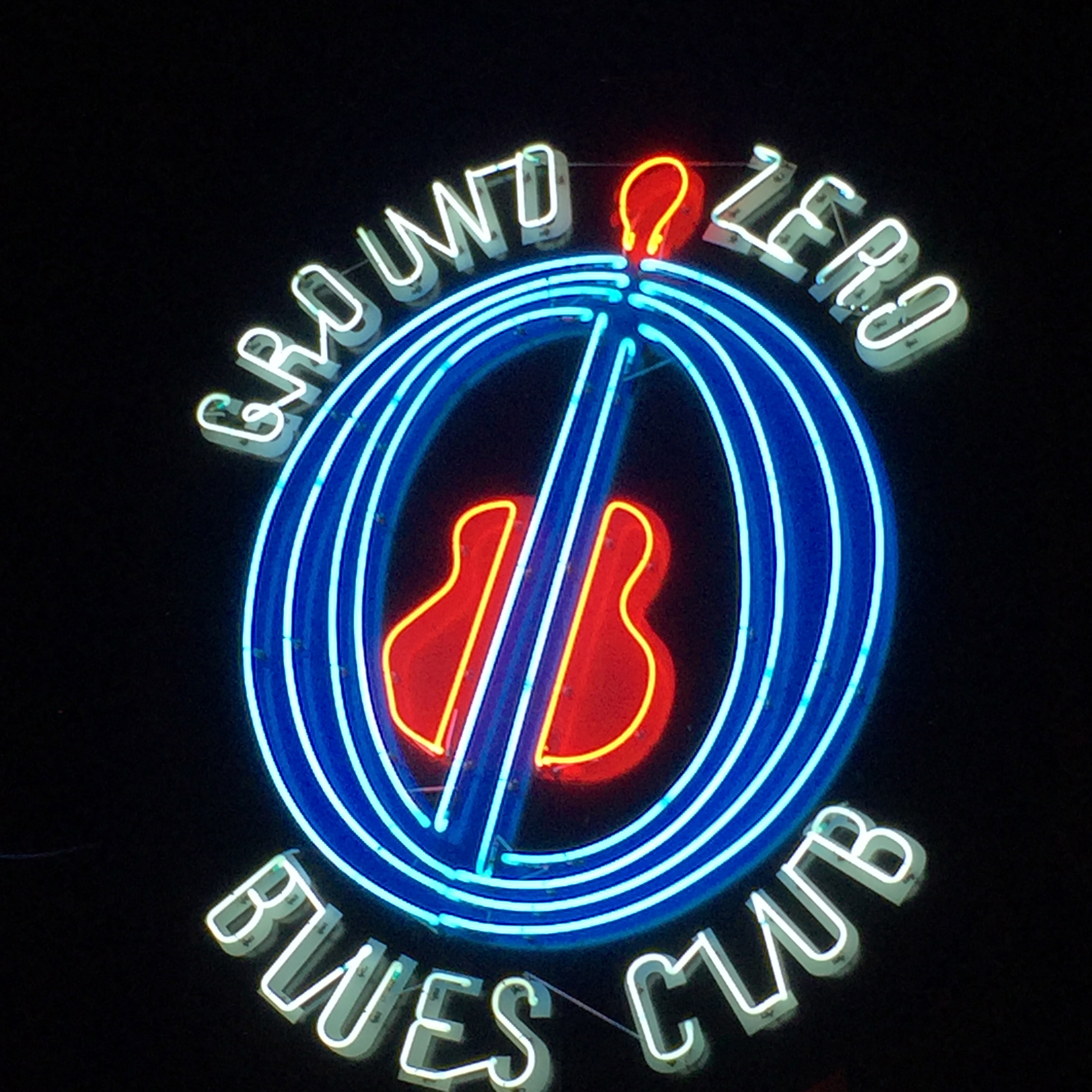 Shortly after lugging our suitcase upstairs at the B&B, we walked over to Ground Zero Blues Club. In mid-afternoon there was not much going on, but we were casing the place with the intention of coming back later when the energy cranks up. We observed another couple photographing the building, and as usual, Jan offered to take their picture with the club and sign in the background. This is always a good, and most often, a productive ice breaker. They are from Milwaukee and swing by Clarksdale every time they drive down to visit relatives in Little Rock, illustrating that Clarksdale is a magnet for anyone who is even remotely curious about the music form that more than any other is a reflection of black history in the twentieth century.
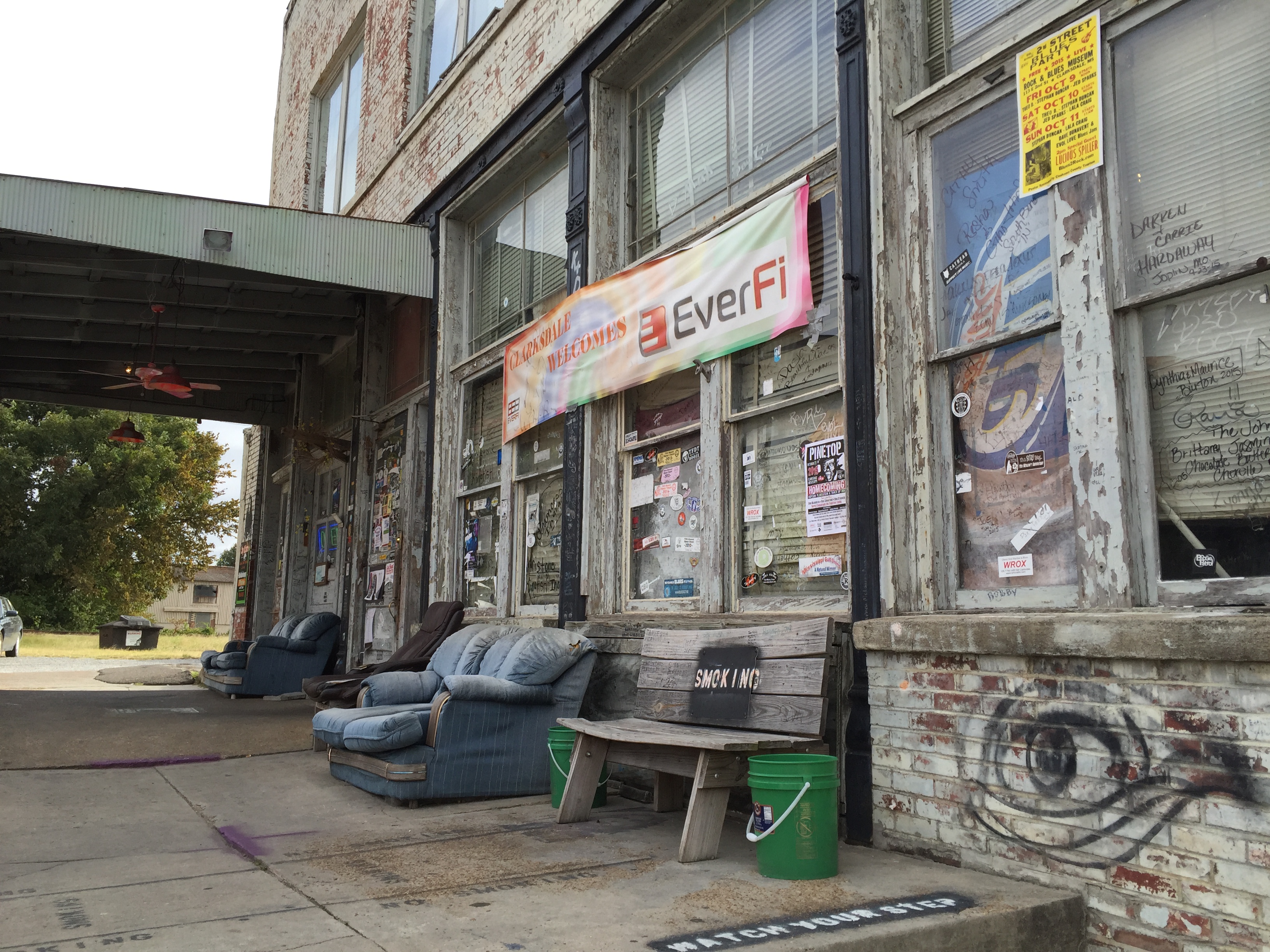
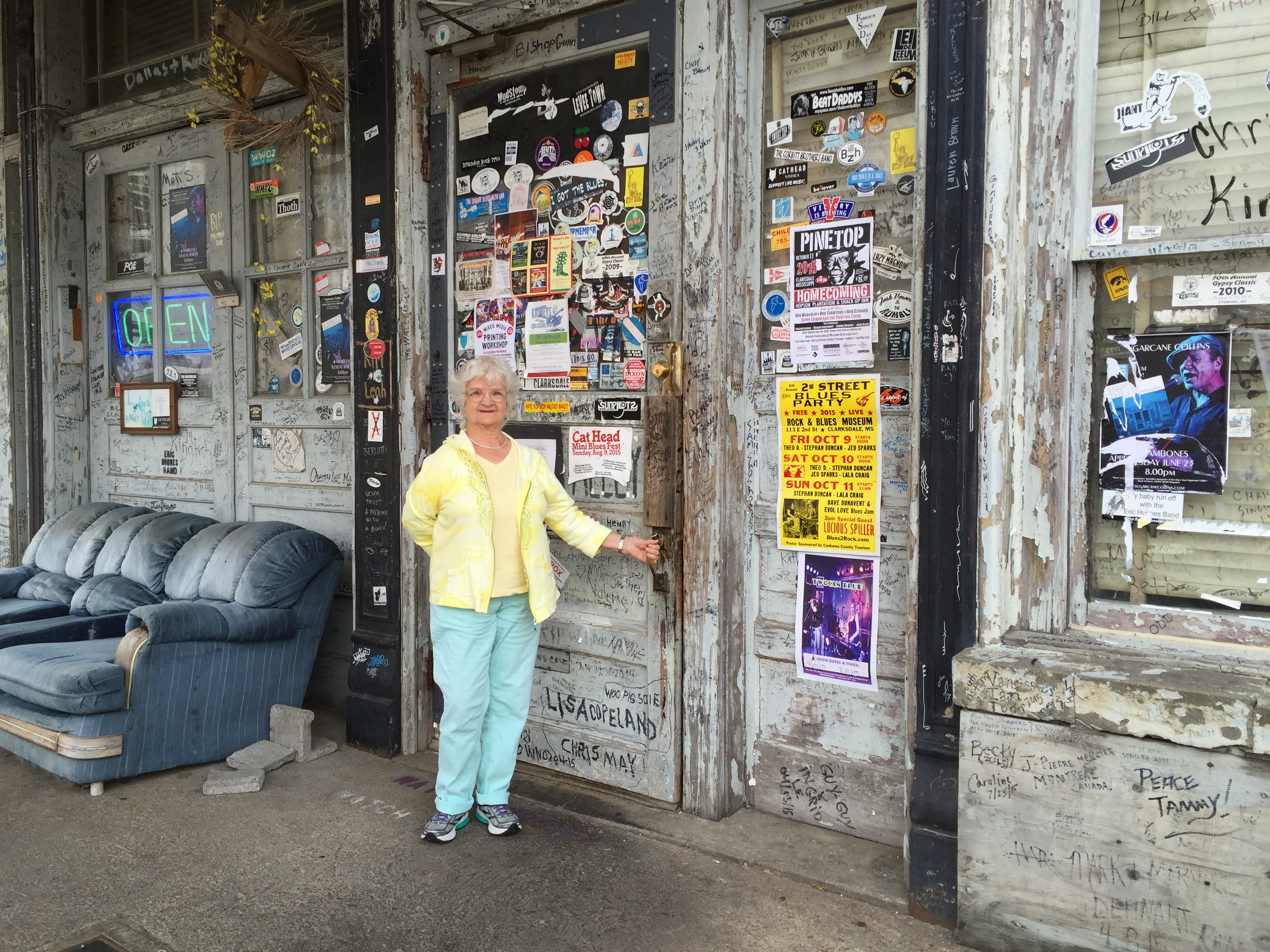
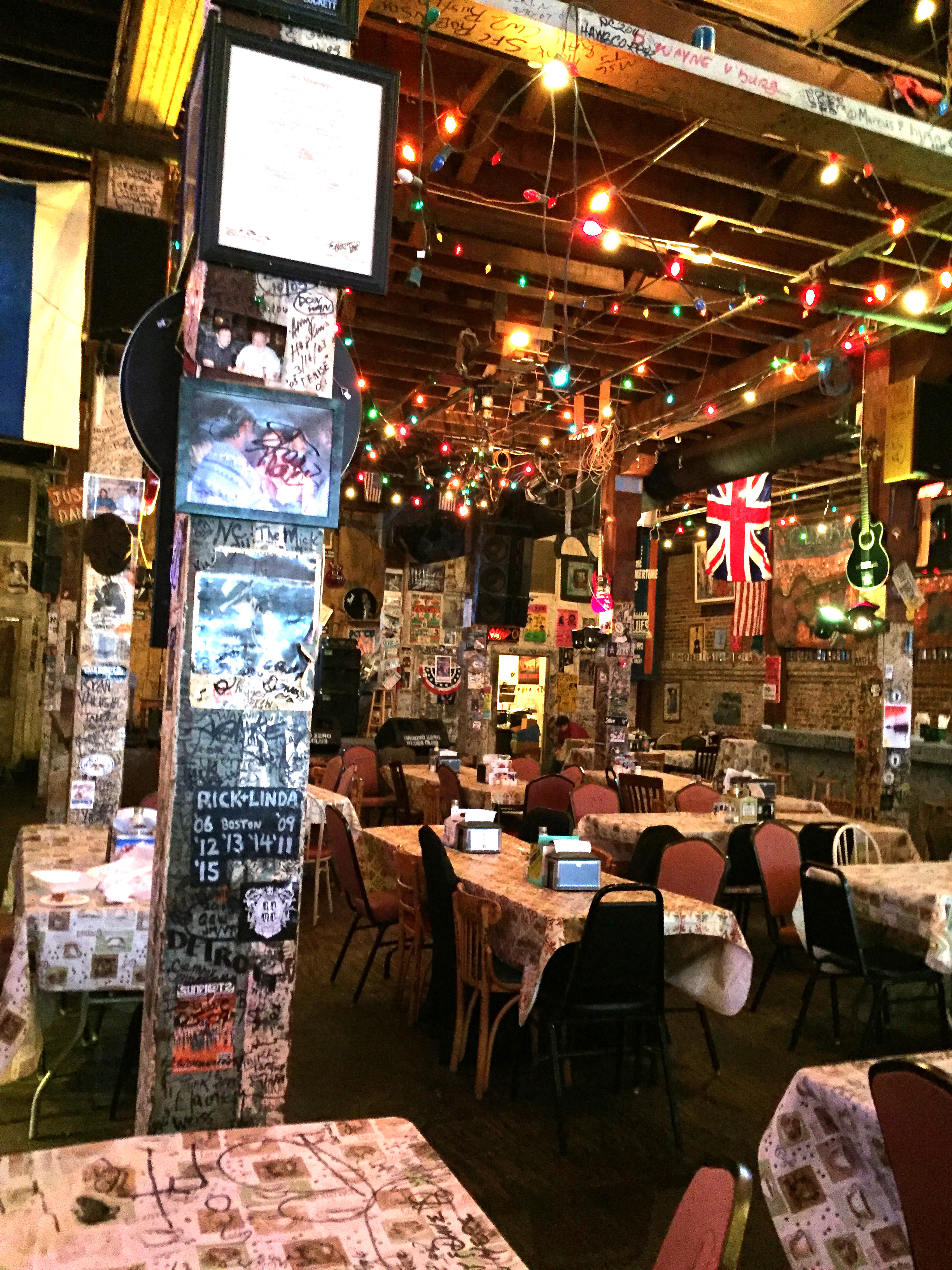

The bar and restaurant at Ground Zero are open most of the day, but live music does not begin until 9:00 pm, and there is a cover charge beginning then. Take time to watch the following video introduction to the Ground Zero Blues Club: http://www.visitthedelta.com/explore_our_region/clarksdale/
There are far more options for food, blues and museums in Clarksdale than the limited time of a short visit allows.

Red’s Blues Club
Since Red’s is also within walking distance of our lodgings, we made that our other music choice. As the pictures indicate, an apt description of Red’s is like a New Orleans’ Preservation Hall dressed for a party with rhinestones and sequins. Garish neon musical notes and signs provide most of the interior lighting. The outside has a squalor all its own. The picture on the right is the outside of the club. As Jan would say, “promise hard!” It really is that decrepit looking. A sign announcing the occupant of the building is almost 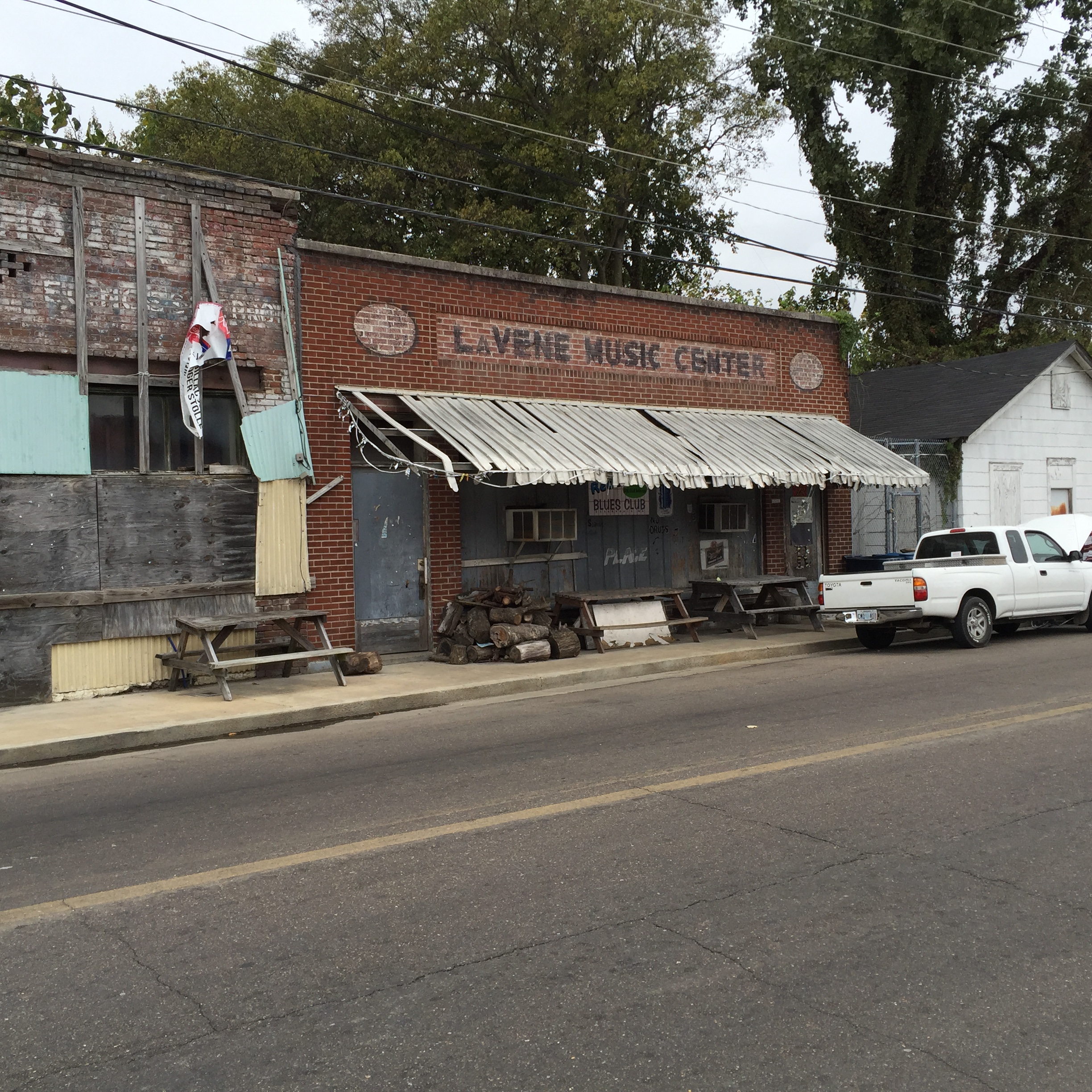 nonexistent, and we could not even find the entrance. A passing motorist, recognizing our dilemma, braked in the middle of the street and directed us toward the door. The club is across the railroad tracks and a couple of hundred yards south down Sunflower street from the backside of Ground Zero. If you see a cemetery diagonally across Martin Luther King Boulevard, you are at the right place. Live music begins at about 8:00 pm at Red’s and drinks are fished out of coolers.
Traditional blues songs were handed down by word-of-mouth from one performer to another, and many times an artist would add new lyrics to an old song and make it their own.
The acoustic guitar and the harmonica were the primary tools of the Delta bluesman, mostly due to the ease of carrying them around. Most, if not all, of the early musicians during the first half of the twentieth century, were sharecroppers or tenant farmers, mired deep in poverty on white plantations. Music was an emotional release from the drudgery and monotony of hard labor and sometimes an economic escape as well.
The Delta blues is typically identified by the music’s highly rhythmic twelve or eight bar structure, with a plodding methodical 4/4 beat, accompanied by strong vocals. Although the lyrics of Delta blues are often simple, with repeated lines a trademark of the style, they also tend to be highly personal and reflective of the hard life of the negro farmer in the South. The technical description of Delta Blues is irrelevant to most of us. Listening to the immediately recognizable sound is all one needs to know.
The next morning we followed the recommendation of our hosts and went for breakfast at Yazoo Pass, just up the street from us. As we entered, we both had the same thought. “This place would be right at home in Nashville, especially in Hillsboro village.” Impressive in size and inviting in appearance, the food and service are equally excellent.

 The
The
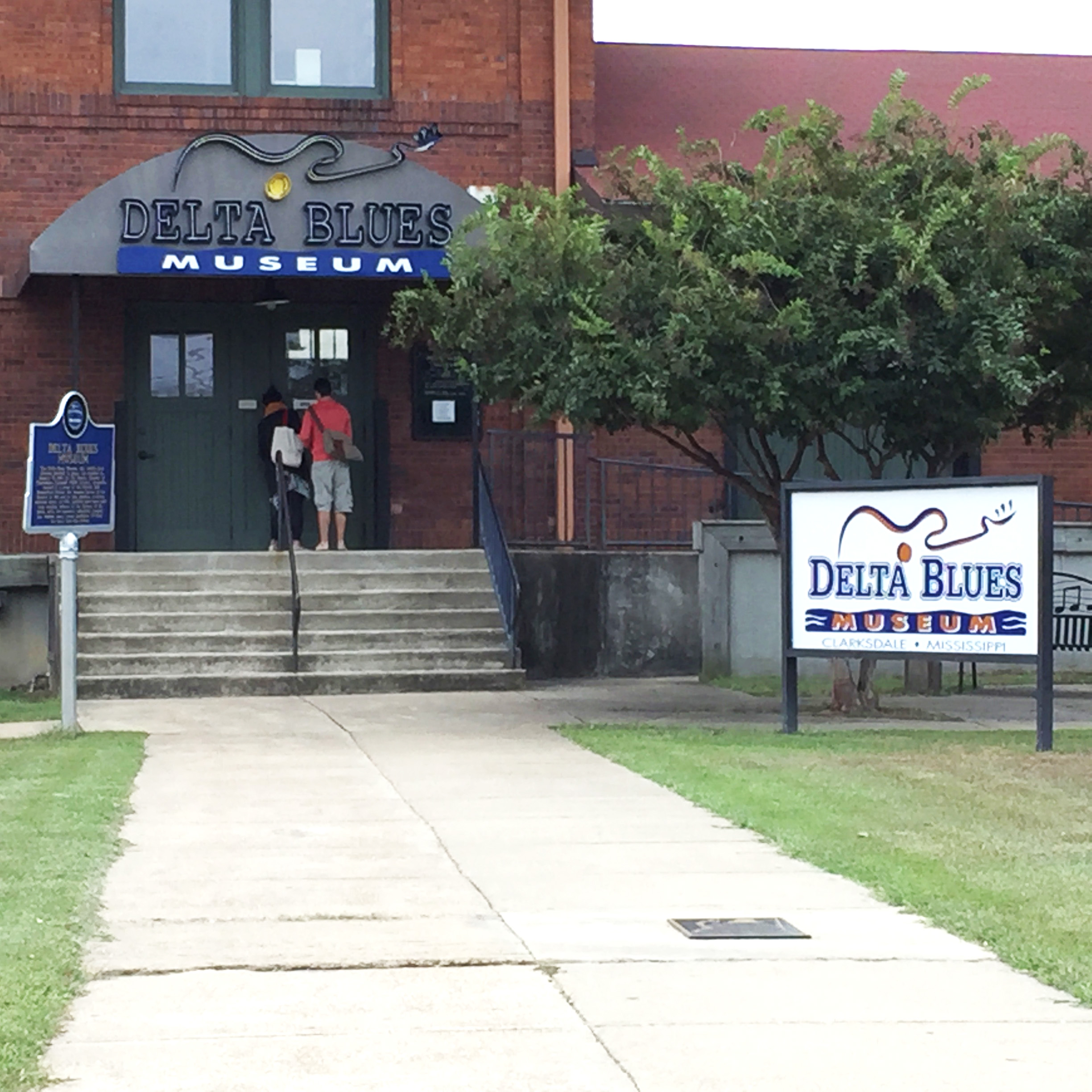 Delta Blues Museum is housed in the old railroad depot, built for the Yazoo and Mississippi Valley Railway in 1918. The museum displays instruments, costumes, historical and biographical notes and memorabilia of early Delta Blues greats like Muddy Waters, Charlie Patton, “Son” House, Howlin’ Wolf and John Lee Hooker, along with many others. Although the entrance fee is rather steep, it is well worth taking the time to stop by. The experience generates a greater knowledge and appreciation of Delta Blues and the musicians who gave birth and nurture to the unique music form.
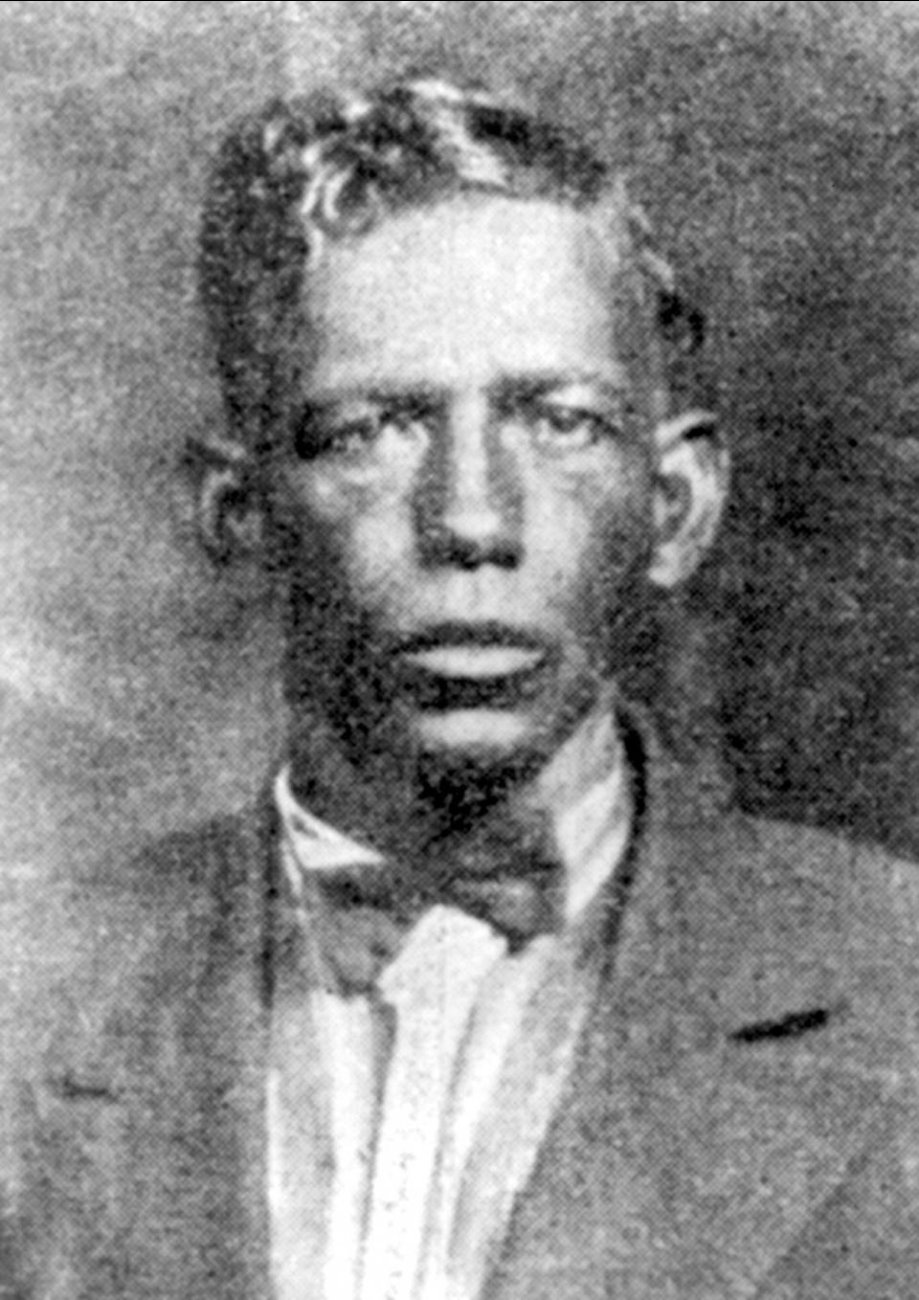
Charlie Patton
Charlie Patton is generally considered to be the father of Delta Blues. He began learning to play and perform at Dockery Farms, between Ruleville and Cleveland, Mississippi, where his family moved in 1900 when Charlie was a teenager. He developed a unique musical style, that attracted Howlin’ Wolf and John Lee Hooker, who also lived on the plantation. Charlie’s popularity in the South carried him to annual performances in Chicago and at least one performance in New York. Like many bluesmen, he died young in 1934.
This is a 1929 recording of “Spoonful Blues” by Charlie Patton: https://www.youtube.com/watch?v=EyIquE0izAg
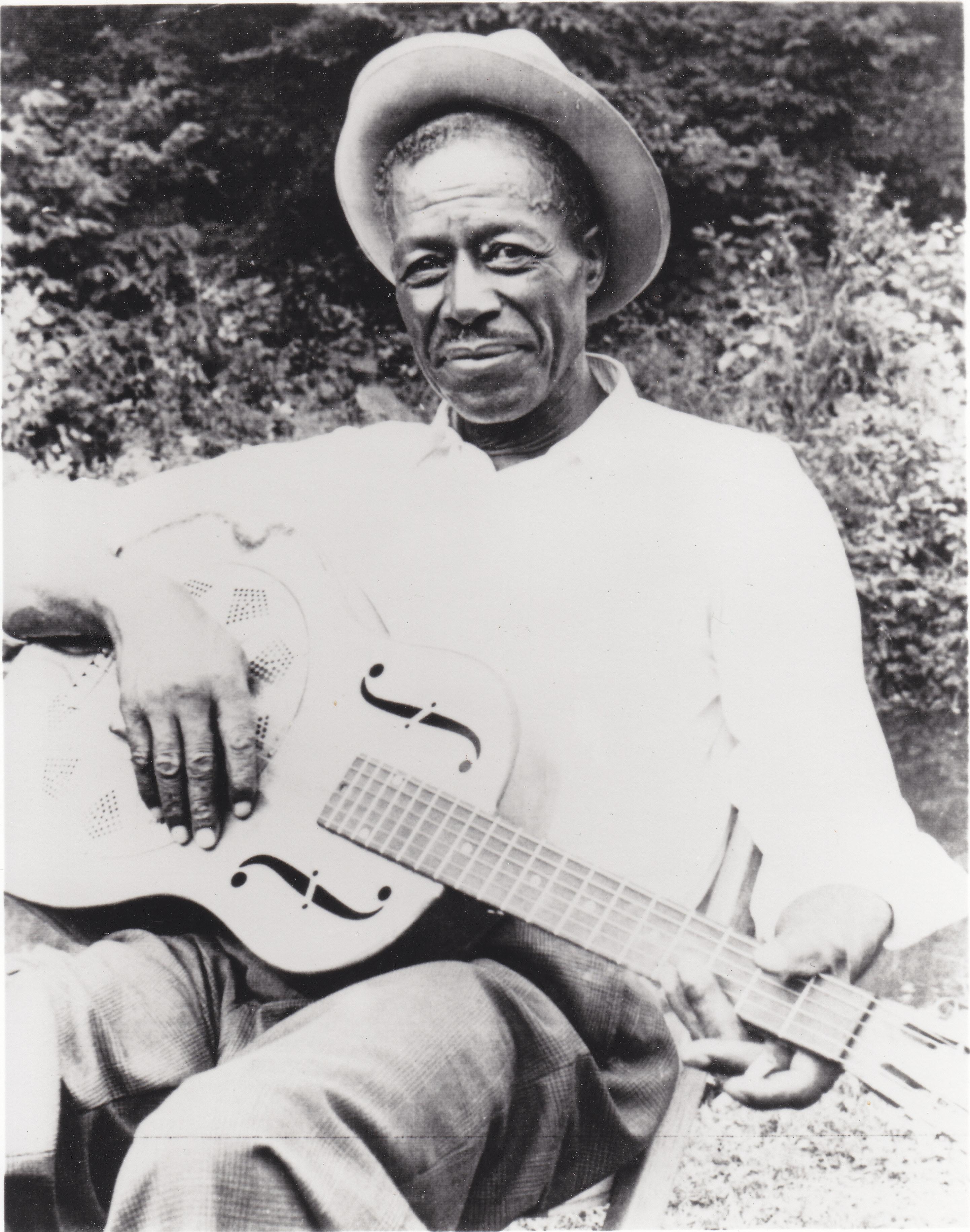
Son House
Patton was so impressed with Son House, that he invited House to share engagements. Initially opposed to blues for religious reasons, House became converted to it at the age of twenty five. Already a preacher, his power of voice and emotional intensity were easily incorporated into his music. He was a formative influence on Robert Johnson and Muddy Waters.
One of Son House’s best known songs is “Death Letter Blues.” This recording was done in 1969. https://www.youtube.com/watch?v=RK7M3n6Wwo0
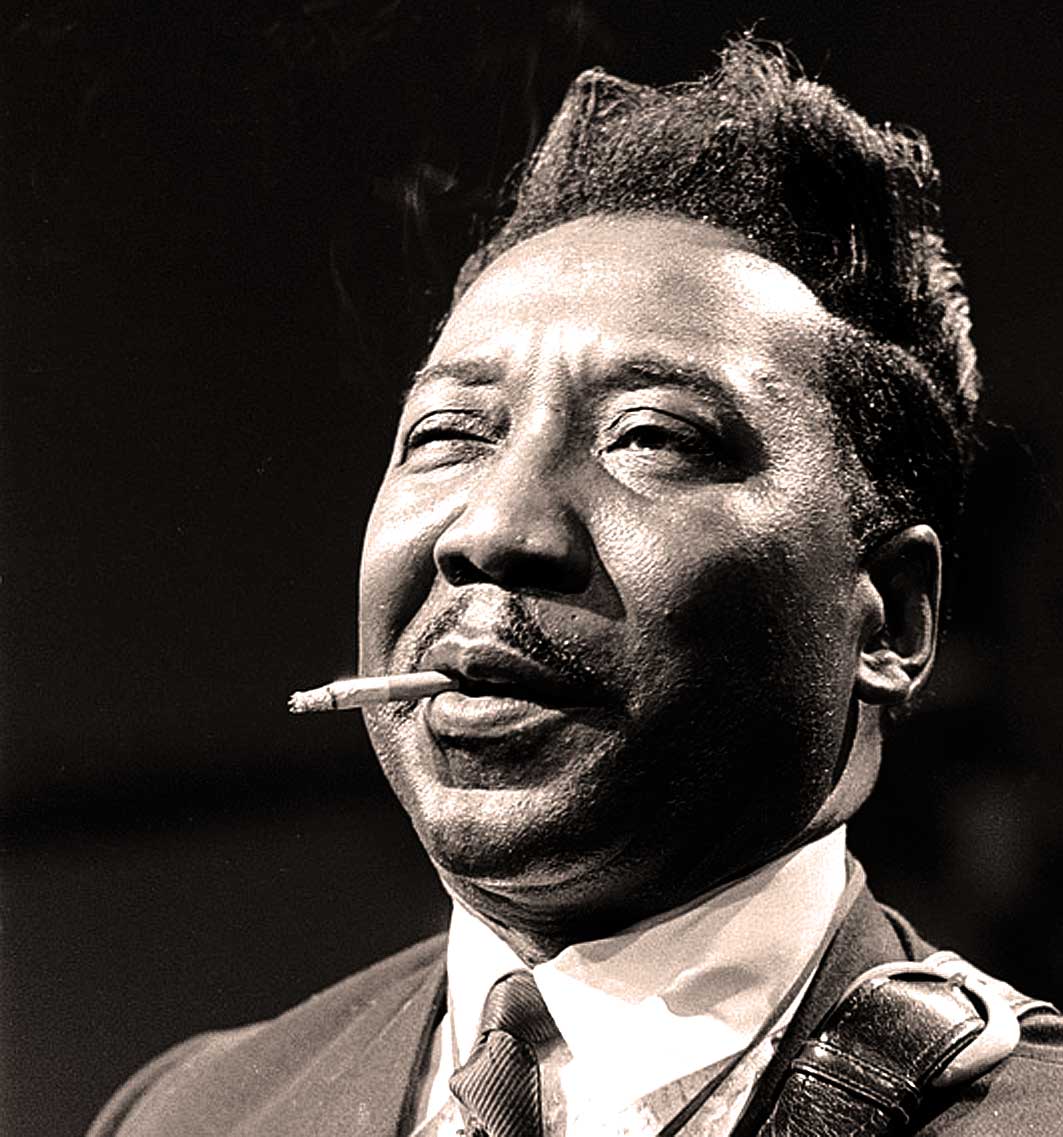
Muddy Waters
McKinley Morganfield’s father left and not long afterward in 1918 his mother died when the boy was three years old. His grandmother raised him in Clarksdale. Because he was forever playing in pools and puddles around his home, he began to be referred to as “Muddy Waters.” He acquired a harmonica at age five and taught himself to play, becoming quite good at it. As a teenager he began learning guitar, by listening to recordings of Charlie Patton and other blues artists.
As his talent and popularity grew, so did his ambition. In 1943 he moved to Chicago to seek fame and fortune. He worked in a paper mill by day and played blues at night. In a very short time he was good enough to attract the attention of major recording companies like RCA and Columbia. By 1951 he had a full band and along with it a nationally recognized name in the music world. At the end of his life he had accumulated six Grammy awards.
Here is “Got My Mojo Workin.” https://www.youtube.com/watch?v=8hEYwk0bypY
Another of Waters’ greatest hits is “Hoochie Coochie Man.” https://www.youtube.com/watch?v=bnsw4sySaxw
On this excursion to peruse the blues, our schedule concluded with the dedication of a new baseball stadium and unveiling of the statue of coach “Boo” Ferriss at Delta State University in Cleveland, Mississippi, but on any other occasion (and certainly for anyone else considering a similar pilgrimage), a proper conclusion would be a day in Memphis.
Among the many attractions that Memphis has to offer are three mandatory ones: Graceland, Beale Street and the Peabody Hotel ducks.
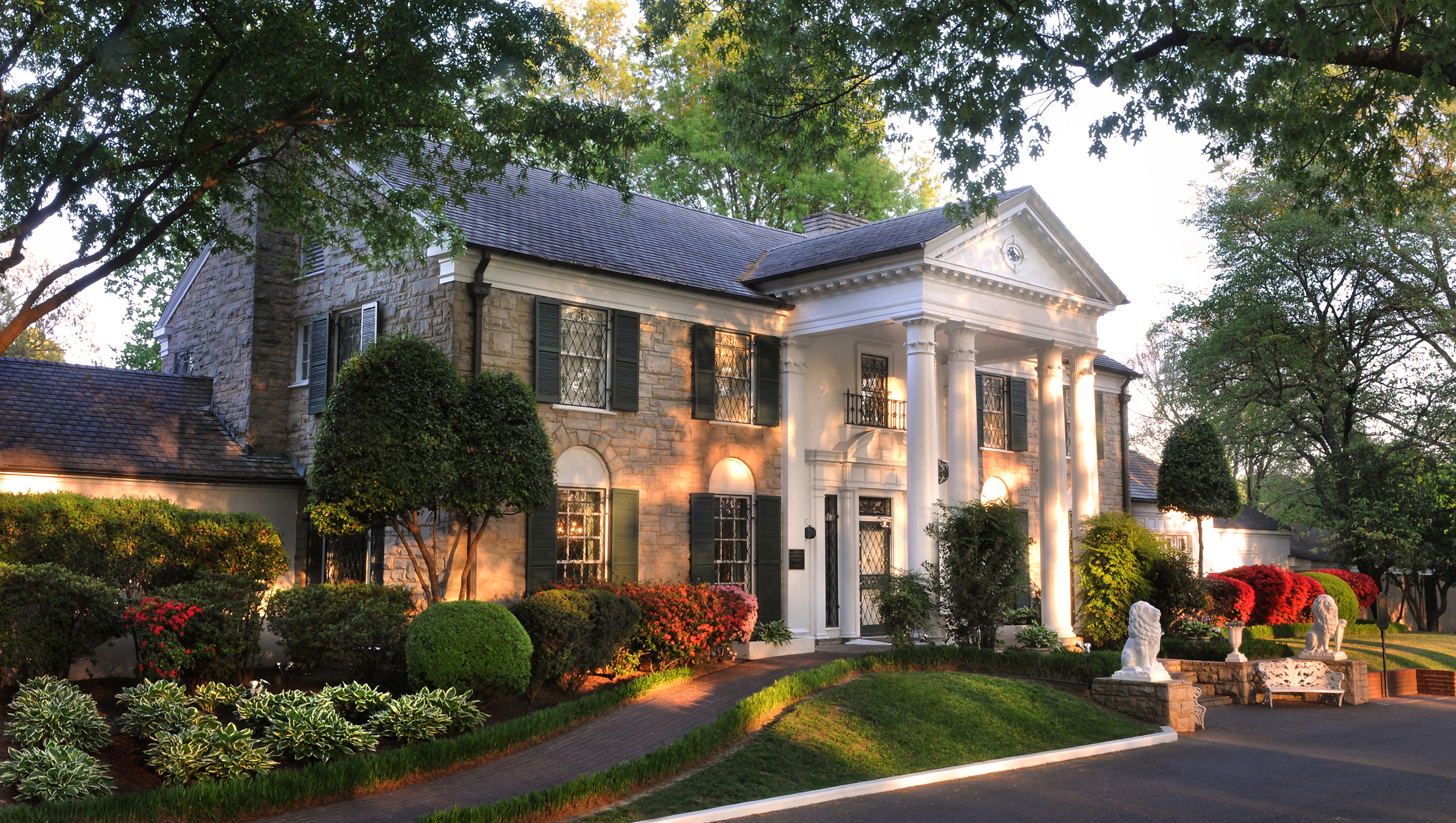 Begin the day at Elvis Presley’s home. It is a memorable monument to the life of America’s most idolized musician, whose style evolved from a foundation of Southern Gospel and Delta Blues. Blues Legend B. B. King met Elvis several times and commented on his fascination with the Blues. Howlin’ Wolf insisted that “he started from the blues….He made his pull from the blues.” Elvis was impressed with the unrestrained, heartfelt personal intensity of Delta Blues.
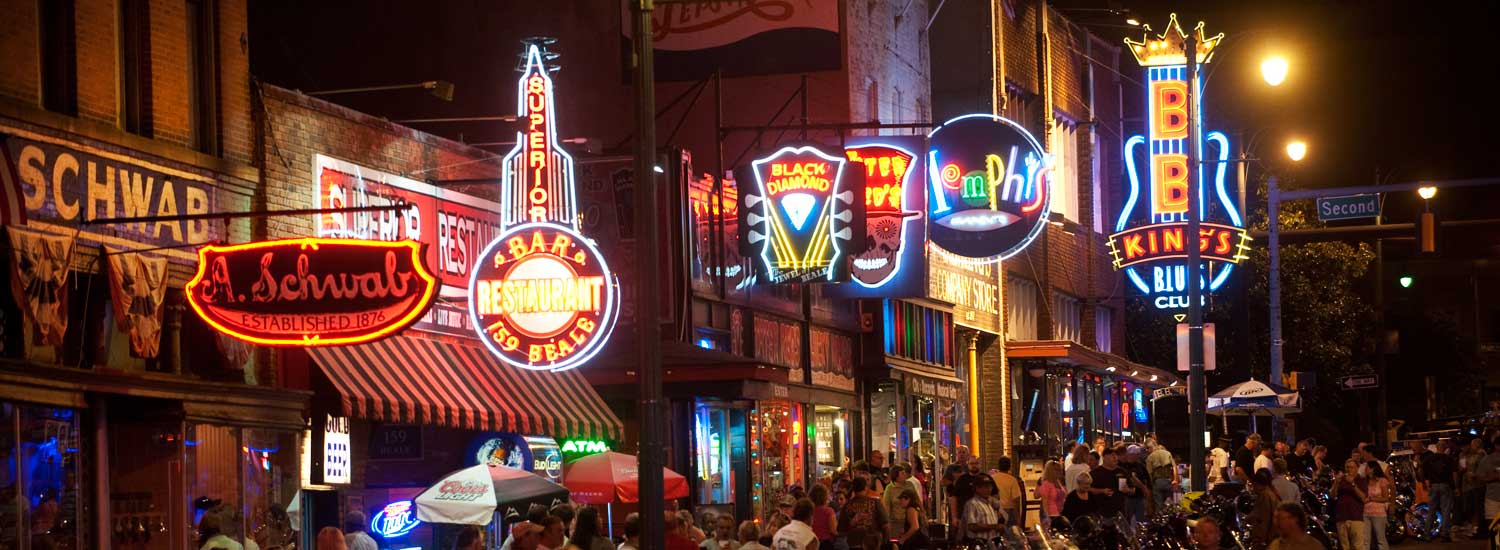 W. C. Handy began publishing blues songs from Beale Street in 1912. The street became a haven where the black population could congregate and socialize in freedom away from any limitations or intimidation. Few whites ventured on to Beale Street back in those days, but Elvis was one of them.
Today the street is a glittering strip of two dozen restaurants and blues venues, making it easy to consume many happy hours enveloped in sound. A USA Today poll declared it America’s Most Iconic Street and another source touted it as Tennessee’s top tourism attraction, both of which I would personally challenge, but nevertheless it is absolutely not to be missed.
 Just two blocks north on Union Street, the Peabody Hotel ducks march twice daily (11:00 am and 5:00 pm) from or to their rooftop home to the hotel lobby fountain past a standing room only crowd of onlookers. They have been waddling their march since 1940. However, there have been ducks in the fountain since 1933.
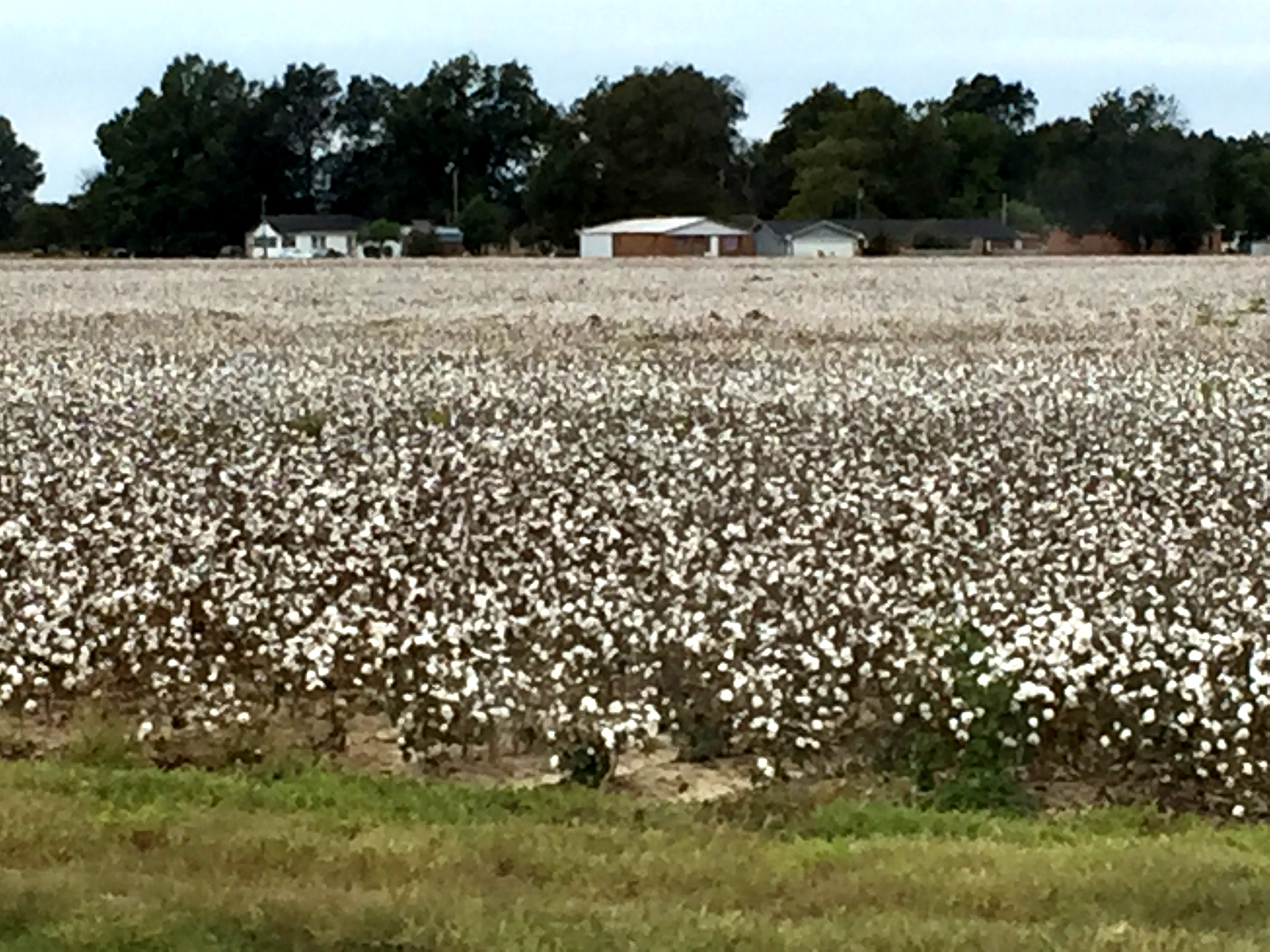 The pancake-flat Delta extends east of the Mississippi River like an archery bow from Memphis to Vicksburg. As we glide along arrow-straight roads, clouds of dust billow behind massive farm machinery deliberately plowing across miles of barren fields where weeks before, crop dusters dive bombed the white seas of cotton and huge machines sucked the fluffy fibers from their bolls. Long gone are the throngs of black cotton pickers blanketing the fields, but the people remain. Small towns languish in desolation, modern mobility continually drawing their livelihood away toward the larger centers of Greenwood, Greenville, Cleveland, Jackson and Memphis, but the people remain. The most genteel, friendly, hospitable people in the world live in the Delta, their roots sunk deep in the fertile soil, but not far away some of the worst rural poverty in America lingers in the descendants of plantation slaves. The Delta is a different world, elusive to describe and composed of many colorful and diverse ingredients. Perhaps it should not be surprising that this distinctively unique and pregnant mix should become the mother of the blues.
Links for additional information:
Ground Zero Jazz Club
http://www.visitthedelta.com/explore_our_region/clarksdale/
Yazoo Pass Restaurant
Delta Blues Museum
http://www.deltabluesmuseum.org/
Robert Johnson
http://www.robertjohnsonbluesfoundation.org/biography
Charlie Patton
https://www.youtube.com/watch?v=yGsAh2jx6JA
Charlie Patton
http://www.mojohand.com/charliepattonbio.htm
Son House
https://en.wikipedia.org/wiki/Son_House
Muddy Waters
https://en.wikipedia.org/wiki/Muddy_Waters
Elvis and the blues
http://www.elvisinfonet.com/blues.html
Graceland
http://www.graceland.com/graceland-tours/
Beale Street
http://www.bealestreet.com/clubs-and-restaurants.html
Peabody Hotel Ducks
 Norman and Jan Rodgers